
AI is a genius with a long-term memory problem.
That's why most organizations are not replacing their intranets with AI. They’re recognizing both as indispensable ingredients of the new digital employee experience, and unifying them in a way that makes life easier for the entire employee community.
AI won't replace your company intranet, because it can't.
AI-powered Large Language Models (LLMs) like ChatGPT, Claude, and Gemini are becoming a crucial component of a modern employee's toolkit. This trend isn't exclusive to knowledge workers, either. 73% of leaders expect AI to transform their industry within three years.
In the midst of all that transformation, it will always be important to have a trusted home base where employees go to feel informed, connected, and part of something bigger.
What intranets do that AI can't
AI tools are evolving at a rapid pace. They are impressive at generating text, analyzing and extracting information, coding, answering questions, and new capabilities that emerge on a daily basis. But there are several areas where the human element will always be a critical source of growth and development, and your intranet is the perfect home base to nurture it.
Foster organizational culture and community
Your intranet is more than a search engine for policies. It's the digital town square where employees celebrate wins, share news, recognize colleagues, and strengthen their sense of belonging.
AI can help draft an employee spotlight article, but it can't create the experience of scrolling through your company's news feed and seeing a coworker's promotion announcement, a photo from last week's volunteer event, and a welcome message for new hires all in one place.
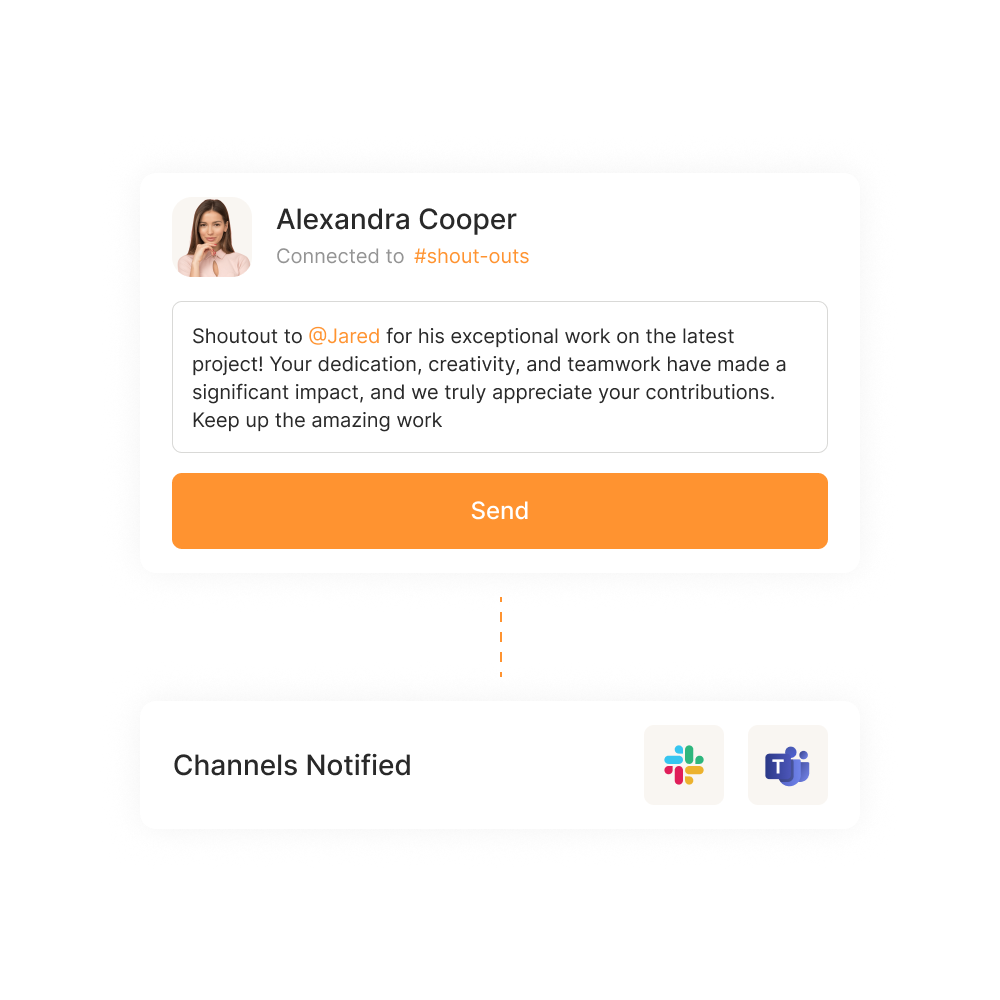
It can't give your colleague a heartfelt shoutout for leading a big project that drove the whole team forward. That sense of shared experience builds culture, and it requires a dedicated space designed for people.
Provide governed information architecture
Every piece of content on a well-managed intranet has an owner. Someone is responsible for keeping it accurate and updated. Someone approved it before it went live, and there's a clear structure that helps employees find what they're looking for. When conflicting information exists across departments, how would an AI tool know which one is correct, and which would it choose?
Intranets solve content governance through:
- Content ownership: Every page has an accountable author who keeps it current.
- Approval workflows: Sensitive or regulated content goes through proper review before employees see it.
- Organized navigation: Employees develop mental models of where to find things, reducing friction over time.
The same thoughtful governance and structure that turn chaotic content into a trusted employee experience can also make AI more reliable and useful.
Serve as a trusted single source of truth
Intranets provide a single authoritative source everyone can rely on for sharing, finding, and receiving critical information. When an employee asks about parental leave policy or 401k match, they want one place to look for that official, current, HR-approved answer.
Enforce compliance and security controls
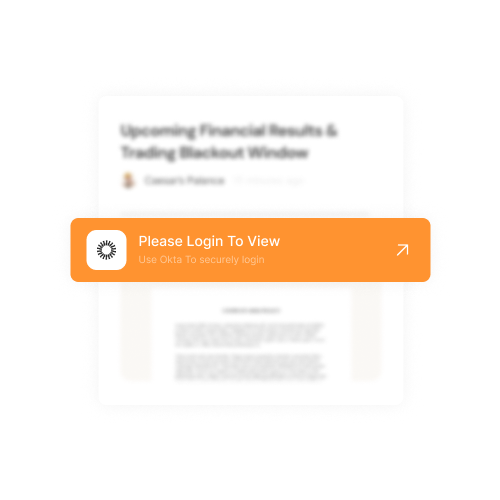
Intranets like Haystack respect role-based permissions, restricting sensitive documents to authorized personnel. They can also make it easier for organizational leadership to share sensitive information more transparently, with tools like Secure Delivery that discourage unauthorized information sharing.
Deliver curated employee experiences across multiple surfaces
A frontline warehouse worker and a corporate finance analyst have very different information needs and ways of consuming that information. An intranet can deliver personalized experiences based on role, location, department, or tenure, surfacing relevant content while filtering out the noise. It can reach people in the context of their work through email, chat apps, push notifications, digital displays, or even SMS.
What AI does well for internal communications
AI introduces new capabilities that can empower users and make your intranet more powerful and improve the digital employee expereince when they're integrated thoughtfully.
Intelligent search and content discovery
Legacy intranet search often relies on keyword matches. AI-powered search understands natural language, so employees can ask "How do I submit an expense report?" instead of guessing whether to search for "expenses," "reimbursement," or "finance forms."
Automated answers to common questions
HR and IT teams spend countless hours answering the same questions: "What's the holiday schedule?" "How do I reset my password?" "When is open enrollment?" AI can handle routine queries instantly, freeing up everyone to do more work that requires human judgment.
Content summarization and translation
Long policy documents become digestible summaries. Company-wide announcements reach global teams in their preferred languages. AI can handle the heavy lifting of making content accessible and consumable across your workforce.
How AI and intranets work together
AI becomes an enhancement layer that makes your intranet smarter, faster, and more helpful. AI improves the intranet experience, while the intranet provides the structural foundation and distribution that AI can't replicate.
Maintain human oversight for critical communications
Crisis communications, policy announcements, and sensitive topics still require human judgment. AI can draft and suggest, but it's critical to have a human in the loop making judgement calls.
Risks of replacing your intranet with AI alone
Organizations tempted to abandon their intranet for AI-only approaches face legitimate concerns that may not be obvious at first glance.
Hallucinations and misinformation
"Hallucination" is the industry term for when AI generates false information with complete confidence, with rates of 58-88% observed in legal question applications.
Your intranet is the governed, grounded source of truth AI needs to ensure that when an employee asks about your company's remote work policy, they receive an accurately sourced and cited answer.
Data security concerns
Feeding sensitive company information into external AI systems, even accidentally, can create compliance risks and potential data exposure. Shadow AI usage (under-the-radar usage IT isn't aware of) is surprisingly common, with a large percentage of workers sharing sensitive information with AI tools without their employer's knowledge.
Intranets offer a secure venue to share or reference sensitive information and responsible, company-approved AI usage.
Loss of content governance
Without an intranet's structure, you lose version control, approval workflows, content ownership, and lifecycle management. Information becomes scattered across chat logs, AI conversations, and shared drives with no clear source of truth.
Accessibility and equity gaps for frontline workers
Frontline and deskless employees often lack the devices, connectivity, or time to interact with AI tools. Intranets reach frontline workers through dedicated mobile apps, shared kiosks, and digital signage throughout facilities, channels that AI alone can't replicate.
In summary: the best digital workplaces combine AI and intranets
AI and intranets are tools that build on and strengthen one another. Organizations that embrace this combination get the best of both worlds: the structure, governance, delivery, and culture-building capabilities of a dedicated employee platform, enhanced by the intelligence and efficiency of AI.
FAQs about AI and company intranets
What is the 10-20-70 rule for AI?
The 10-20-70 rule suggests AI success depends on technology (10%), data (20%), and people and processes (70%). In other words, the human and organizational elements matter far more than the AI itself, which is exactly why intranets remain essential.
How do frontline employees benefit from an intranet versus AI alone?
Intranets reach frontline workers through dedicated mobile apps, digital signage, and offline-capable features that don't require personal devices or constant connectivity. AI tools typically assume desk-based workers with reliable internet access.
Will generative AI eventually make intranets obsolete?
Industry experts agree that generative AI will augment intranets rather than replace them. AI adds intelligence to the structure and governance that only a dedicated platform can provide. It doesn't eliminate the need for that foundation.
How do I convince leadership that my organization still needs an intranet?
Focus on governance, compliance, security, and the intranet's role as the single source of truth. AI cannot replicate those capabilities, and they're concerns leadership already prioritizes.