
A well-run lunch and learn is a great way to build culture, develop skills, and connect people across your organization. Unfortunately, they're underutilized by most teams, but we're going to change that.
In this guide, we'll walk you through what a lunch and learn is, why these sessions matter, and give you a step-by-step blueprint for organizing, promoting, and running a lunch and learn that people look forward to attending.
What is a lunch and learn?
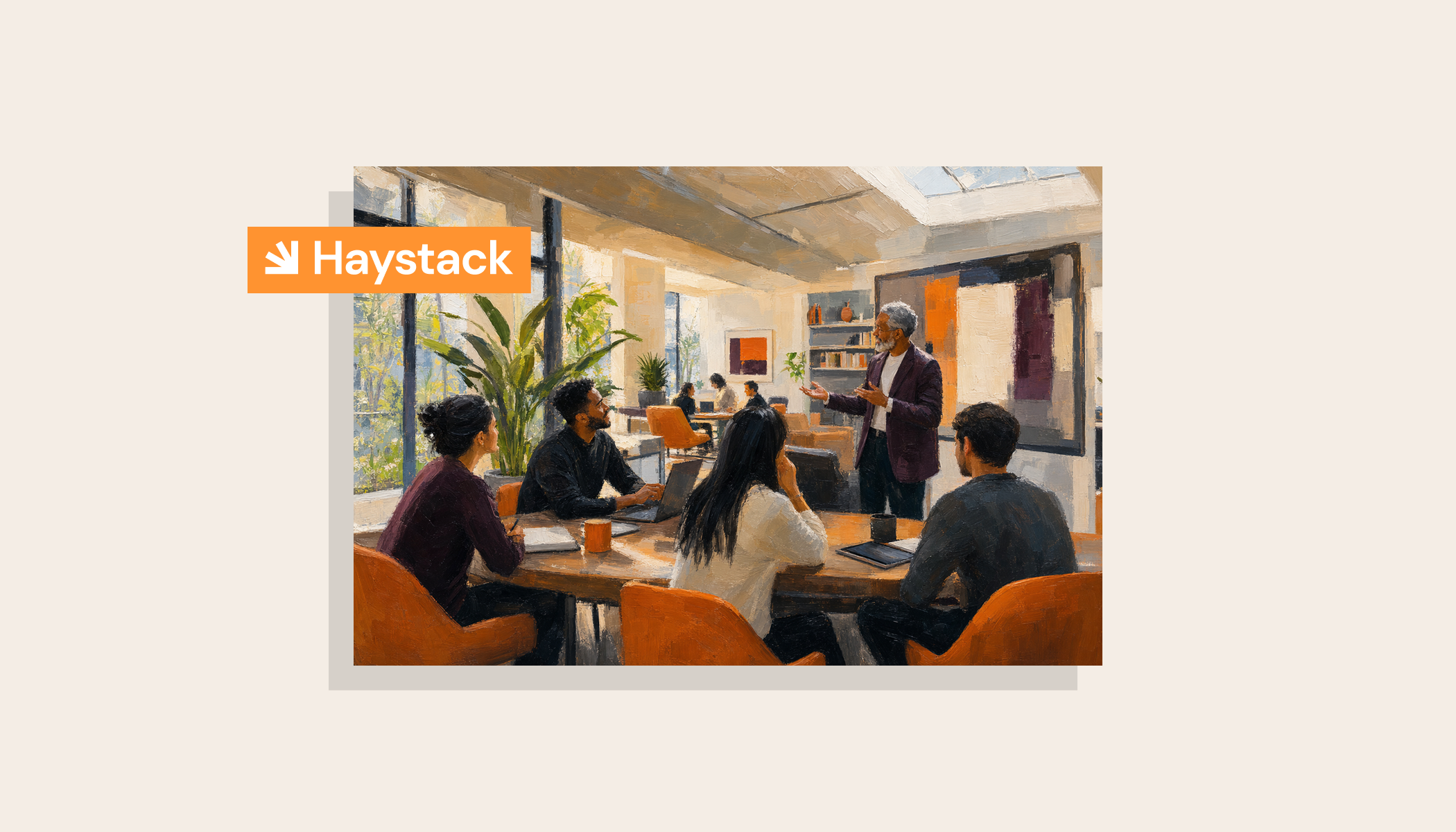
A lunch and learn is an informal learning session held during the lunch hour where a presenter shares knowledge on a specific topic while attendees eat. Sessions typically run 30 to 60 minutes and are voluntary, conversational, and low-pressure.
Unlike formal training programs, lunch and learns aren't tied to evaluations or mandatory completion. They can be led by internal team members, department leaders, or external guests. They work just as well in person as they do remotely or in a hybrid setup.
Think of them as the professional development equivalent of a good conversation over a meal. The format creates space for learning without the weight of a classroom setting.
Why lunch and learns matter for your organization
Lunch and learns deliver more value than a midday break from email. When done consistently, they strengthen connection, accelerate development, and build a culture where sharing knowledge is the norm. They are a core part of any strong employee engagement strategy.
They build cross-team connections
Lunch and learns bring people together across departments who rarely interact during the normal workday. The informal setting lowers hierarchy barriers. A junior analyst can ask the VP of Product a question they'd never send in an email. A designer learns what the sales team actually hears from customers.
These cross-functional connections are especially valuable in remote and hybrid environments, where the organic hallway conversations that once built relationships have largely disappeared. According to Gallup's State of the Global Workplace report, actively engaged employees perform better and stay longer, but many organizations struggle to create the conditions for that engagement. One of the clearest lunch and learn benefits is that they create intentional moments of connection that distributed teams otherwise miss. A platform like Haystack helps extend these moments by giving teams a shared, evergreen hub to discover past and upcoming events, and help remote employees connect across locations.
BuzzFeed's People Ops team is a strong example. "Depending on what month it is, and what we're celebrating, we'll also have guest speakers, lunch-and learns, and other ways to explore heritage, culture, and values from new viewpoints," said Maritza Bocks, Senior Manager of People Operations. "It helps people to be seen and heard, but it also provides an opportunity for people to learn and gain perspective." Read more about how BuzzFeed builds an inclusive culture.
They create low-stakes development opportunities
Lunch and learns give employees a chance to practice presenting and sharing their expertise without the pressure of a formal review. Presenters build visibility across the organization and develop confidence in front of a supportive audience. This kind of employee recognition strengthens engagement across the board. Attendees pick up skills and perspectives they wouldn't encounter in their day-to-day work.
Research from LinkedIn's 2024 Workplace Learning Report found that employees who feel they have opportunities to learn and grow are significantly more likely to stay at their organization. Lunch and learns are one of the simplest ways to create those opportunities without a large budget or a complex Learning and Development (L&D) infrastructure.
They reinforce a culture of knowledge sharing
Running a regular lunch and learn program signals that your organization values learning and curiosity. Knowledge moves out of individual heads and into shared understanding. Over time, you create a feedback loop: the more people share, the more others want to contribute.
The key is making that knowledge accessible beyond the live session. When you record sessions and post summaries on your intranet, the value of a single presentation reaches people who couldn't attend. Haystack's knowledge management features and searchable knowledge base help you keep that content current and easy to find long after the session ends. Research on informal workplace learning strategies confirms that these peer-driven, voluntary formats produce stronger knowledge retention than formal instruction alone.
How to run a lunch and learn in seven steps
Knowing why lunch and learns matter is one thing. Actually running one that people attend, enjoy, and talk about afterward takes a clear process. Here are seven steps to plan and deliver a session your team will want to come back for.
1. Define your goal for the session
Every great lunch and learn starts with a clear objective. Before choosing a topic or booking a room, ask yourself: what should attendees walk away knowing, feeling, or doing?
Tie your session goal to a broader organizational objective. Are you supporting new hire onboarding? Building cross-functional awareness between product and support? Developing a specific skill set? Strengthening company culture?
A clear goal shapes every other decision, from the topic to the presenter to the format. "Learn something interesting" is not a goal. "Help the marketing team understand how our pricing model works so they can better position it" is.
2. Choose a topic employees care about
The fastest way to kill attendance is to pick a topic no one asked for. Start by surveying your team or reviewing the questions that come up repeatedly in Slack, email, or your HR help desk.
The best lunch and learn topics blend professional relevance with genuine curiosity. Mix skill-building sessions with lighter, culture-focused themes. Here are a few lunch and learn ideas to get started:
- How our new AI feature actually works (led by a product manager or engineer)
- Equity 101 (led by the finance team)
- Design thinking for non-designers (led by a UX team member)
- What I learned from a major project failure (led by any willing storyteller)
- Stress management and mindfulness at work (led by a wellness professional)
- A day in the life of [department] (led by rotating team leads)
Avoid topics that feel like mandatory training repackaged as a casual event. Employees can tell the difference, and it erodes trust in the format.
3. Find the right presenter
Internal presenters build visibility and help colleagues recognize expertise that exists within the company. External guests bring fresh perspectives and credibility on specialized subjects. Both work well.
The most important quality isn't polish. It's authenticity. An engineer who's genuinely passionate about accessibility will hold a room better than a seasoned speaker reading through a generic slide deck. Coach first-time presenters on structure and timing, but don't over-rehearse the personality out of their delivery.
4. Set the logistics
Consistency builds attendance. Schedule your lunch and learn on the same day and time each month so it becomes a habit rather than a surprise on the calendar.
The sweet spot for session length is 45 to 60 minutes. A sample breakdown:
- Five minutes to settle in and eat
- 25 to 30 minutes for the presentation
- 15 to 20 minutes for discussion and questions and answers (Q&A)
Handle food intentionally. In-office teams appreciate catering or a stipend. Remote attendees can receive a meal delivery credit. Even a simple "bring your own lunch" approach works if you set the expectation.
Book a room with good audio and a screen, or set up a video call with reliable screen sharing. A poor technical setup creates a bad first impression that's hard to recover from. If your organization uses Haystack, the Events feature makes scheduling, event registration, and calendar syncing simple for both organizers and attendees.
5. Promote the session
You can plan the perfect session, but it won't matter if no one knows about it. Promotion is where most lunch and learn programs fall short.
Send invitations at least one week before the session. Use multiple channels: email, chat, and your intranet. A single calendar invite is not enough. Include a teaser that answers three questions: what will attendees learn, who is presenting, and will there be food?
Send a reminder the morning of the event. Learn how to signal-boost your communications across channels. Haystack's multi-channel notifications reach employees across desktop, mobile, and even digital signage, so your reminder lands wherever your team already is.
6. Make the session interactive
The number one reason people stop attending lunch and learns is that they feel like lectures. You can prevent that by building interaction into the structure from the start.
Open with a question or a quick poll to engage the room immediately. Build in pauses for Q&A throughout the presentation, not just in the final five minutes. For larger groups, use breakout discussions to give everyone a chance to participate.
Keep slides minimal. The best sessions feel like guided conversations, not keynote presentations. When attendees talk, they retain more and come back more often.
7. Follow up after the session
The session itself is only half the value. What happens afterward determines whether your lunch and learn program builds lasting momentum.
Share a recording, slides, or a written summary for anyone who missed the session. Post key takeaways on your intranet or in a dedicated channel so the knowledge stays accessible. A platform like Haystack gives you one central place to host recordings, attach resources, and make everything searchable for future reference.
GoodRx saw this firsthand after launching their Haystack-powered intranet. "Before, our team might post a recap about the event on Slack, but if you didn't catch it within that day, it was already out of sight," said Stephanie Stone from their internal comms team. "Now, we can shine a big spotlight where everyone can see and engage with it." Read more about how GoodRx transformed their employee experience.
Collect quick feedback after every session: what did attendees find valuable, and what topics do they want next? Use those responses to plan your next session and show your team that their input shapes the program.
Sample lunch and learn agenda
A clear lunch and learn agenda removes guesswork for presenters and sets expectations for attendees. Here's a 60-minute template you can adapt for your own sessions:
Adjust the timing based on your format. For a 30-minute virtual lunch and learn, trim the presentation to 15 minutes and keep 10 minutes for discussion. The structure stays the same; only the pacing changes.
Frequently asked questions about lunch and learns
How long should a lunch and learn be?
Most successful sessions run 45 to 60 minutes. That gives you enough time for a meaningful presentation and at least 15 minutes of discussion. Sessions shorter than 30 minutes often feel rushed, while anything beyond an hour cuts into the afternoon and reduces future attendance.
How do you make a lunch and learn engaging?
Start with a question, keep slides light, and build discussion breaks into the presentation rather than saving all questions for the end. Choose presenters who bring energy and genuine expertise over polished slide decks. When attendees feel like participants rather than audience members, engagement follows.
Can you run a lunch and learn remotely?
Yes! A virtual lunch and learn works well when you use video conferencing with screen sharing, send meal delivery stipends, and record sessions for anyone who can't attend live. A hybrid format is also effective, especially when your intranet supports both live event promotion and on-demand access to recordings afterward. Building healthy communication loops in distributed teams makes remote lunch and learns feel just as connected as in-person sessions.
How often should you hold lunch and learns?
Monthly is the most sustainable cadence for most organizations. Weekly sessions risk fatigue, and quarterly sessions lose momentum. Start with once a month, build a reliable audience, and increase frequency only if demand supports it.
Your lunch and learn program doesn't need a massive budget or a dedicated events team. It needs a clear process, the right topics, and a way to keep the knowledge flowing after the session ends. Haystack gives internal comms and HR teams one place to promote events, share recordings, and keep knowledge accessible across your entire organization.